

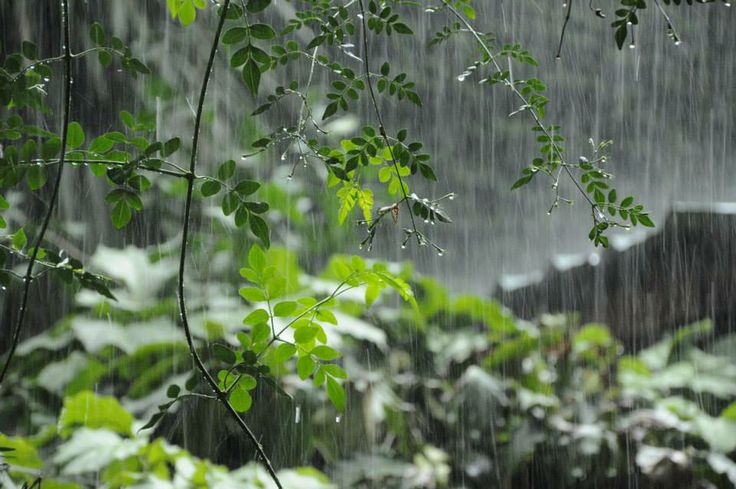
日本語版: 梅雨の雑草対策|一気に伸びる原因と抜かずに減らす自然な手入れ
The moment the rainy season arrives, weeds in the garden seem to surge overnight—you pull them one weekend and the next they are back in force. This is one of the most common garden frustrations of the season, and it is not random. Weeds explode now because water, warmth, and light all peak at the same time. In this article we first explain rainy season weed control from its root cause—reading the soil to understand why weeds grow so fast—and then share a regenerative landscaping approach that cuts instead of uproots, reducing both labor and mud. By the end, you will start to see weeds not as enemies but as signals from the soil, and find a path out of the weekly weeding treadmill.
Why Weeds Explode During the Rainy Season
Effective rainy season weed control starts with understanding why weeds grow so aggressively now. The surge is driven by several conditions converging at once.
Water, Temperature, and Light All Align
Plants need moisture, the right temperature, and light to grow—and the rainy season delivers all three at once. Continuous rain saturates the soil, temperatures settle into the ideal 20–25°C range, and sunshine between showers drives a burst of photosynthesis. Low-growing weeds can shoot up in just a few days. The feeling of “no matter how often I pull” comes from a simple fact: in this season, weeds grow faster than most people can keep up with by hand.
Weeds Can Be Read as Signals from the Soil
In regenerative landscaping, weeds are read not as nuisances but as indicators of the land’s current condition. Where field horsetail or fish mint dominate, the soil is often compacted with poor drainage—a sign that water and air movement through the soil has stalled. Soft, crumbly soil tends to grow gentler, shallow-rooted plants instead. Observing which weeds appear reveals the soil’s physical condition: the flow of water and air underground. If you connect weed control to improving that soil condition—rather than just pulling—the way weeds grow back will change year after year.
Rainy Season Weed Control: What to Know Before You Pull
The key to rainy season weed control is not brute-force uprooting but judging where, how, and how much to tend.
Step 1: Don’t Pull It All—The “Wind Mowing” Approach
Regenerative landscaping favors cutting only the above-ground growth at a height where grass sways in the wind—an approach called “wind mowing”—rather than tearing plants out by the roots. Leaving roots in place prevents bare soil from washing away or turning to mud in the rain. As the remaining roots slowly decay, they create fine channels that aid water and air movement through the soil. The method is simple: cut about 5–10 cm above the base without pulling the crown. You curb the tallest, most vigorous growth while the ground stays green—reducing both drying and mud splash.
Step 2: Choosing Tools and Cutting Height
For small areas, a well-sharpened hand sickle (tegama) is easiest to handle and leaves the cleanest cut. For larger areas, use a brush cutter held 5–10 cm above the ground. Cutting right at the base weakens the roots and exposes bare soil. On wet days footing is slippery and the blade catches soil, so work during a break in the rain once the surface has dried slightly. In one line: don’t cut too low, and don’t work when it’s too wet.
Step 3: Putting Cut Grass to Use (Mulching)
Before bagging the clippings, pause. Spreading cut grass about 5 cm thick over the ground becomes mulch that suppresses new weed germination. By blocking light from reaching the soil, fewer new weeds sprout, while drying and mud splash are also prevented. The clippings eventually break down into soil organic matter and feed soil microbes. Simply chaining “cut, then spread” reduces the next flush of weeds naturally. As a precaution, set aside and dispose of grasses that have gone to seed or aggressive vining weeds rather than spreading them.
Living with Slugs and Pests That Surge in the Rainy Season
It isn’t only weeds that surge—slugs, mosquitoes, and snails multiply too. Here as well, “reduce the cause of the surge” works better than “exterminate everything.”
Slugs love damp, dark places. Water pooled in pot saucers, planters set directly on the ground, and crowded, poorly ventilated beds all create permanently damp hiding spots that let slug numbers grow. Simply emptying saucers regularly and raising pots slightly for airflow reduces shelter and settles their numbers. The same goes for mosquitoes: standing water in buckets, watering cans, and old tires becomes a breeding source. Eliminating standing water is the most reliable, chemical-free control.
Reading pests as “signals from the environment” rather than enemies changes your response. A garden where a particular insect erupts usually has an imbalance somewhere in airflow or drainage. Tending weeds to let in wind and light, and removing standing water, doubles as pest control.
What Changes When You Keep It Up
Shifting from pull-based weeding to cut-and-spread brings observable changes. First, with the surface kept covered by green growth or clippings, rain-driven mud splash and soil loss decrease. Second, leaving roots in place preserves pore space underground, so puddles drain away faster—directly improving garden drainage. Third, as a summer’s worth of clippings breaks down, the soil softens; the following year, tough tall weeds tend to give way to gentler, easier-to-pull plants. “I was skeptical the first year, but from the second year I weeded far less often”—reports like this trace back to these soil changes.
Which Gardens Suit This—and When to Avoid It
This natural approach applies to many places: reasonably sized gardens, the edges of vegetable plots, flowerbed paths, and parking-area margins. A few cases call for caution, though.
- Entry approaches and high-traffic walkways: where appearance and easy footing come first, frequent low mowing or a combination with gravel and stepping stones suits better than grass mulch.
- Dense stands of extremely aggressive weeds: cutting alone may not keep up, so a one-time root removal followed by coverage may be the right call.
- Ground that stays muddy through long rains: this signals that water and air movement through the soil is badly stalled, so reviewing drainage itself—alongside weed care—is the fundamental fix.
In short, rather than “one method everywhere,” decide the goal for each spot—appearance, footing, less labor, or drainage—and vary the intensity of care accordingly.
Summary
Rainy season weed control is not just about pulling—reading the soil to understand why weeds grow reduces the labor itself, year after year.
- The rainy season aligns water, warmth, and light, making it the peak growth season for weeds—faster than hand weeding can keep up.
- The types of weeds that appear can be read as signals of the soil’s drainage and aeration.
- Cutting above-ground growth (“wind mowing”) beats uprooting for preventing soil loss and mud.
- Spreading cut grass about 5 cm thick as mulch naturally suppresses the next flush of weeds.
- For slugs and mosquitoes, reducing “permanently damp spots” and “standing water” is the chemical-free answer.
This weekend, try “cut instead of pull, then spread the clippings” in just one corner of your garden. Soil change takes more than a year—but the longer you keep it up, the easier the upkeep becomes. That is the real appeal of regenerative gardening. To learn garden-making from the soil up, explore the EKAM Online Course.
Frequently Asked Questions
Q. If I don’t pull weeds out by the roots, won’t they just come right back?
A. It depends on the species. Many annuals decline the next year simply by cutting the tops before they seed. Stubborn weeds that spread by rhizomes gradually lose vigor when you cut them and block light with grass mulch. A one-time root removal can also help, depending on the spot.
Q. Won’t spreading cut grass on the ground attract insects and become unsanitary?
A. Spread it thinly and let it dry, and it won’t stay overly damp as it breaks down. Piling it thick and fresh, however, traps heat and becomes an insect haven. Aim for about 5 cm, spread loosely so air can circulate.
Q. When is the best time to mow during the rainy season?
A. A break in the rain, once the surface has dried slightly, is ideal. Wet ground is slippery and the blade catches soil, dulling the cut. Working in the cool of the morning also eases the strain on you.
Q. Can I just sprinkle salt on slugs?
A. Salt harms both soil and plants, so it is not recommended. Emptying pot saucers, improving airflow, and setting a beer trap at night—reducing shelter and standing water—is gentler on the whole garden and more effective.